
Most local business owners post to social media the same way they water a plant they don't really like. Once in a while, when they remember, hoping something happens. Then they wonder why nobody walks in on a Saturday.
Here's the thing: social media absolutely can drive foot traffic to a local business. But not the way most people use it. A stock photo of coffee beans every Tuesday at 9am isn't going to fill your shop. Real foot traffic comes from a specific set of moves that connect online attention to a real-world visit.

A content plan beats random posting every time. The businesses winning at local social media are deliberate, not lucky.
The moves below are the ones I would check first for a shop, restaurant, salon, or contractor that wants social media to bring people through the door. Each one connects online attention to a real-world visit. Let's break them down.
1. Location-Tag Every Single Post
This is the easiest, most-skipped move on the entire list. When you post on Instagram or Facebook without adding a location tag, you're throwing your content into a bucket where it competes with the entire planet. When you add a location tag, you land in a feed that locals actively browse.
People in Portland, Bangor, and Ellsworth tap location pages on Instagram to see what's happening near them right now. If you're a restaurant and your taco special isn't tagged to your neighborhood, you don't exist on that screen.
Tag your specific location, not just the city. "Old Port, Portland" pulls a different (and often more engaged) crowd than "Portland, ME." For shops on a recognized street or in a named district, use that micro-location. Hyper-local beats local.
For service businesses without a storefront, like plumbers, electricians, or landscapers, tag the neighborhood or town where you just finished a job. "Just wrapped a panel upgrade in South Portland" is a post that homeowners scrolling their local feed will actually stop on.
2. Use Local Hashtags, Not Generic Ones
Hashtags like #cleaning, #restaurant, or #fitness will get you nothing. You're competing against millions of posts and reaching people who will never set foot in your business.
Local hashtags are different. #PortlandMaineEats, #BangorBusiness, #207Eats, #SupportMaine, and neighborhood-specific tags get a fraction of the volume but a much higher percentage of people who can actually walk in your door.
Don't stuff hashtags into every post. Instagram now allows up to 5 hashtags per post, and a wall of tags makes your captions look spammy anyway. Up to 5 well-chosen local hashtags do more than a pile of generic ones. Make one of them your branded hashtag.
For each city you serve, build a small list of 10 to 15 local hashtags and rotate them. A salon in Augusta might use #AugustaMaine, #CapitalCitySalon, #207Beauty, and #MaineHairStylist. A coffee shop in Machias would use entirely different ones tied to Downeast Maine.
3. Post to Your Google Business Profile (Not Just Instagram)
This is the channel most local businesses completely ignore, and it's a mistake. Google Business Profile posts show up on your business listing when someone finds you in Search or Maps. That's high-intent attention you're not getting on Instagram.
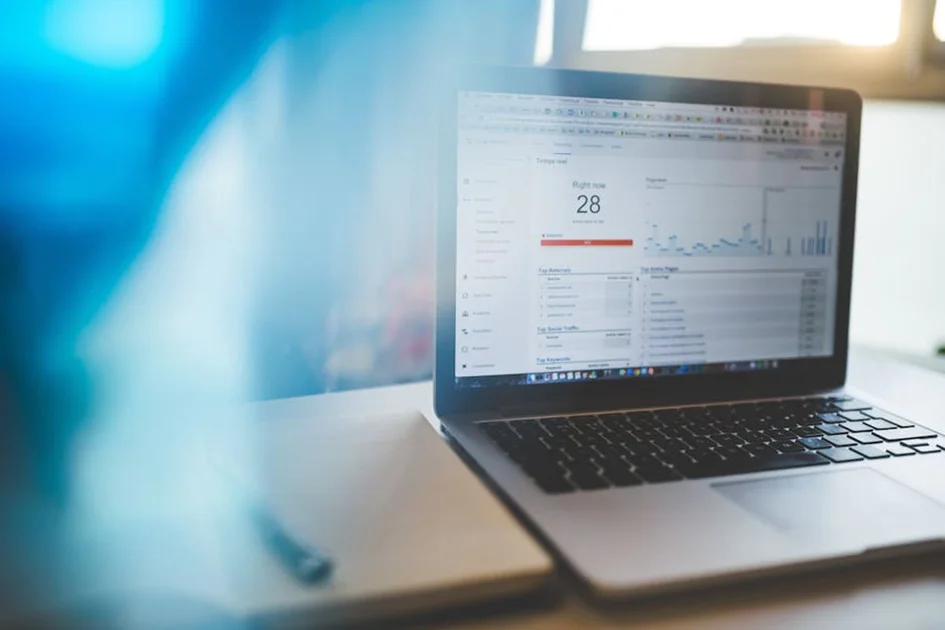
A Google Business Profile post is waiting when someone searching for a business like yours opens your listing. That's foot traffic with intent.
Someone Googling "best pizza near me" or "open dentist Saturday Bangor" can land on your GBP listing. If your most recent post is a special offer, a new menu item, or an event happening tonight, that listing gives people a reason to choose you that a static profile never will.
For the full breakdown of how to set up and optimize your profile, read my guide on how to optimize your Google Business Profile. The short version: post weekly, include a photo and a clear call to action, and never let your most recent post get older than a month.
Cross-post the same content to GBP, Instagram, and Facebook in 5 minutes instead of writing three different things. The audiences are often different people. One post becomes three placements. If you don't have time for any other social work, do this one.
4. Use Stories and Reels for Same-Day Foot Traffic
Feed posts are for permanence. Stories and Reels are for "we have fresh donuts right now, come get one." If you want people in your store today, use Stories for the offer and Reels to reach new people nearby.
Restaurants do this best. A 10-second Story showing the lunch special, with the time and the address tag, can fill a dining room. A Reel walking through tonight's menu drops into the local feed and pulls in people who weren't even thinking about dinner an hour ago.
Other examples of what works:
- Retail: "Just unboxed our spring inventory, come see it before the weekend"
- Salons: "Last-minute opening at 2pm today after a cancellation, DM to claim it"
- Auto repair: A 30-second Reel showing a customer's car going from rough to clean
- Restaurants: "Half-price oysters until 6pm, walking distance from the Old Port"
- Fitness studios: "Drop-in class tonight at 6, three spots left"
This kind of content has a short shelf life by design. That's the point. It creates urgency, and urgency drives the same-day visit.
5. Run Geo-Targeted Ads (Even on a Tiny Budget)
You don't need a $5,000 ad budget. $5 a day to people within 3 miles of your business beats $500 a month boosted to no one in particular.
Facebook and Instagram both let you draw a radius around your address and show ads only to people inside that ring. Add age, interests, and behaviors on top of that, and you're paying to reach the exact people most likely to walk in.
For service businesses like HVAC contractors, roofers, and cleaning services, your radius is bigger because customers don't walk in; they call. But the same principle applies: target the towns you actually serve, not the entire state.
If you’d rather have a pro set the radius, audience, and creative, email me or text me at (207) 598-1219. If you're doing it yourself, start with a single ad set, one offer, one image, and one small geographic ring.
6. Partner With Local Micro-Influencers
Forget the influencers with 500,000 followers and a manager. For a local business, the right partner is the food blogger with 4,000 followers who actually lives in your town.
Micro-influencers (creators with 1,000 to 10,000 followers) have audiences that pay attention. Their posts usually get more genuine engagement than big-name accounts, and the followers are usually concentrated in a specific geographic area or interest niche.
How to find them: search local hashtags on Instagram, check who's geo-tagging posts at your competitors' locations, scan local Facebook groups for active community members with followings, and ask your best customers who they follow.
You don't need to pay cash. Most local micro-influencers are happy to accept a free meal, service, or product in exchange for an honest post. Be clear up front about expectations: how many posts, what platforms, and that you want them to tag your location, use your hashtag, and label the post as an ad or paid partnership. Make it easy for them to say yes.
For a salon or spa, that might mean comping a service for a local lifestyle blogger. For a restaurant, it might be a dinner for two. For an auto repair shop, a free oil change for the local "car guy" account that posts about restorations.
7. Make Customer Photos Your Best Marketing
The most trusted form of social proof on the internet is a regular person holding your product or sitting in your shop with a real smile. It's called user-generated content (UGC), and it outperforms slick brand photos almost every time.

A customer's photo tagged to your location reaches their network. That network lives in your area too.
You need two things to get UGC flowing: a reason for customers to post, and permission to share what they make.
Reasons to post include:
- A photo-worthy moment in your space (a mural, a neon sign, a unique plate presentation)
- A branded hashtag that's easy to remember and short enough to type
- A small incentive (10% off the next visit if you tag us)
- A monthly feature where you re-share customer posts to your own grid
When customers tag you, always re-share to your Story and ask for permission to use the photo on your feed. Most people will say yes and feel flattered. The result is a constant stream of authentic content that costs you nothing to produce.
8. Tie Posts to Local Events
Every town has things people are already paying attention to. The Old Port Festival, First Friday Art Walks, the Common Ground Country Fair, Saturday farmers markets, high school football games. Hitch your post to that attention and you're riding a wave of free reach.
This works for any kind of business:
- Restaurant: "Late-night menu after Friday’s Sea Dogs game, 2 blocks from the stadium"
- Retail: "Open during First Friday Art Walk, come grab a glass of wine while you shop"
- Contractor: "Booth at the Maine Home Show this weekend, stop by for a free quote"
- Salon: "Prom and graduation packages, book by May 1"
- Auto repair: "Free pre-trip inspections all month for summer tourist season"
Don't post about the event the day of and expect results. Local events build attention for a week or two beforehand. Post 7 to 10 days out, then again 2 to 3 days out, then a Story the day of. People plan around events, and your business needs to be in their plan before they leave the house.
9. Make Sure Your Website Catches the Traffic
None of this works if your website is broken. People who see your social post and click the link in your bio land on your site. If it loads slowly, looks dated, or doesn't have your address, hours, and phone number front and center, you just paid (in time and money) to lose them.
This is why I treat social and website as a single funnel in both web design and local SEO work. Beautiful Instagram doesn't matter if the site it points to converts at 1%.
If you're not sure whether your site is converting the social traffic you're already getting, start with the five website mistakes that quietly lose local customers. Worth a read before you spend another dollar promoting anything.
What This Looks Like by Industry
Different businesses need different mixes. Here's a fast rundown:
Restaurants and cafes: Stories and Reels are king. Daily specials, behind-the-scenes prep, and customer reactions. Heavy use of location tags and branded hashtags. Geo-targeted Facebook ads with photos of food.
Retail shops: New arrival posts, fitting room shots, lookbook Reels. UGC heavy. First Friday and event tie-ins. GBP posts for sales and new inventory.
Salons and spas: Before-and-after Reels, micro-influencer trades, Story polls about color trends, GBP posts for last-minute openings. Tag every client (with permission) so their network sees the work.
Contractors (plumbing, electrical, roofing): Job-site photos with the neighborhood tagged, before-and-after carousel posts, customer testimonial videos, GBP posts featuring recent work. Less Instagram, more Facebook and GBP, because the audience lives there.
Service pros (lawyers, accountants, doctors, dentists): Educational content tied to seasonal needs (tax season, end of year, back to school). Less foot traffic, more phone calls and form fills, but the same playbook applies. Local relevance trumps national polish.
Specialty (photographers, fitness studios, real estate): Heavy Reels and visual storytelling, micro-influencer collabs, event-based posts, and weekly GBP updates with offers.
Bottom Line
Social media drives foot traffic when you stop treating it like a billboard and start treating it like a conversation with people who live near your business. Tag your location. Use local hashtags. Post to Google Business Profile every week. Use Stories and Reels for offers that expire today. Run a small geo-targeted ad. Trade with one local micro-influencer. Encourage and re-share customer photos. Tie your posts to events people are already excited about.
You don't have to do all of these. Pick three and do them consistently for 90 days. Then compare your door count, your phone calls, and your end-of-month numbers with where you started.
If you’d rather hand off the strategy and execution, my AI integration and social media help can plan and run a social calendar tied to real revenue. Just email me or text me at (207) 598-1219 and I’ll look at where your social presence stands today and what’s missing. Honest assessment, no pressure.


